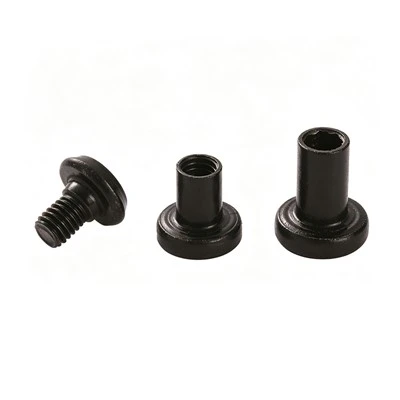

When it comes to installing assembled rivets, safety should be a top priority. As a trusted supplier of Assembled Rivets, I understand the importance of providing not only high - quality products but also comprehensive safety guidance. In this post, I'll delve into the essential safety precautions you should take during the installation process.
1. Personal Protective Equipment (PPE)
First and foremost, wearing the appropriate Personal Protective Equipment is non - negotiable. This includes safety glasses, which protect your eyes from any flying debris such as rivet shavings or small fragments that may be generated during the installation. Even a tiny piece of metal can cause serious eye injury, so make sure your safety glasses fit properly and have the necessary impact resistance rating.
Gloves are another crucial piece of PPE. They protect your hands from sharp edges of the rivets and any potential cuts. When working with Assembled Rivet, choose gloves that offer both dexterity and protection. For example, cut - resistant gloves can be a great option as they allow you to handle the rivets and installation tools with precision while keeping your hands safe.
Hearing protection may also be required, especially if you are using power tools for the installation. The noise generated by tools like rivet guns can be harmful to your ears over time. Earplugs or earmuffs can effectively reduce the noise level and prevent long - term hearing damage.
2. Workspace Preparation
Before you start installing the assembled rivets, take the time to prepare your workspace. Clear the area of any clutter, as this can cause you to trip or knock over tools. A clean and organized workspace also makes it easier to find the tools and rivets you need, reducing the risk of accidents.
Ensure that your workbench or surface is stable. If it wobbles or is unsteady, it can lead to inaccurate installation and potentially cause you to lose control of the tools. Use a clamp or other securing devices to hold the materials you are riveting in place. This prevents the materials from shifting during the installation, ensuring a more precise and safe process.
3. Tool Inspection and Maintenance
Proper tool inspection and maintenance are vital for safe installation. Before using any tool, such as a rivet gun, check it for any signs of damage. Look for cracks in the handle, loose parts, or malfunctioning mechanisms. A damaged tool can not only lead to a poor - quality installation but also pose a significant safety risk.
If you find any issues with your tools, do not attempt to use them. Instead, have them repaired by a qualified professional or replace them. Regularly lubricate your tools as recommended by the manufacturer. This helps to keep them in good working condition and reduces the risk of jams or other malfunctions.
4. Understanding the Rivet and Installation Process
As a supplier, I always emphasize the importance of understanding the specific Assembled Rivet you are using and its installation process. Different types of assembled rivets, such as Threaded Mating Rivets, Rapid Rivet, and Tight Fit Paired Rivets, may require different installation techniques.
Read the manufacturer's instructions carefully before starting the installation. These instructions will provide you with detailed information on how to properly insert the rivet, how much force to apply, and any other specific requirements. If you are unsure about any part of the process, do not hesitate to contact us for further guidance.
5. Electrical Safety (if applicable)
If you are using electrically powered tools for the installation, follow standard electrical safety practices. Make sure the tools are properly grounded to prevent electric shock. Inspect the cords for any fraying or damage. Do not use the tool if the cord is damaged, as this can pose a serious electrical hazard.
Keep the workspace dry to reduce the risk of electrical accidents. Additionally, do not overload electrical outlets. If you need to use multiple tools, use a power strip with a built - in circuit breaker to prevent overheating and potential fire.
6. Fire Safety
Some installation processes may generate heat or sparks, which can pose a fire hazard. Keep a fire extinguisher nearby, especially if you are working in an area with flammable materials. Make sure you know how to use the fire extinguisher properly.
Avoid working near open flames or sources of ignition. If you are using adhesives or other chemicals in conjunction with the rivet installation, be aware of their flammability and follow the safety instructions provided by the manufacturer.


7. Training and Supervision
If you are new to installing assembled rivets, it is highly recommended that you receive proper training. This training should cover the use of tools, the installation process, and all relevant safety precautions. You can either attend a formal training course or get hands - on training from an experienced professional.
If you are working in a team environment, ensure that there is proper supervision, especially for less experienced workers. A supervisor can help to identify potential safety hazards and ensure that all safety procedures are being followed.
8. Storage and Handling
Proper storage and handling of assembled rivets are also important for safety. Store the rivets in a dry, cool place to prevent corrosion. Keep them in a sealed container to avoid contamination.
When handling the rivets, be gentle to prevent damage. Damaged rivets may not install properly and can cause problems during the assembly process. Also, make sure to keep the rivets out of reach of children and pets.
Conclusion
Installing assembled rivets can be a straightforward process if you take the necessary safety precautions. By wearing the right PPE, preparing your workspace, inspecting and maintaining your tools, understanding the rivet and installation process, following electrical and fire safety practices, getting proper training, and handling the rivets correctly, you can ensure a safe and successful installation.
As a leading supplier of Assembled Rivet and Two Piece Rivet, we are committed to providing you with the best products and support. If you have any questions about our products or need further safety guidance, we encourage you to contact us for a procurement discussion. We look forward to working with you to meet your rivet needs.
References
- General safety guidelines for industrial tool use
- Manufacturer's instructions for assembled rivets and tools