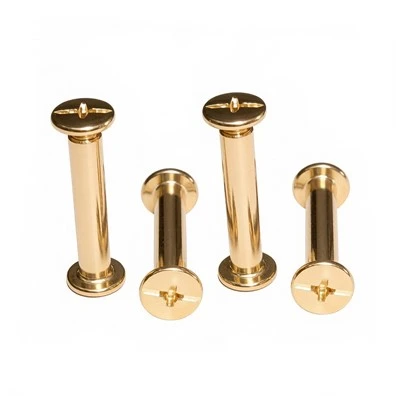

In the world of manufacturing and product identification, nameplate rivets play a crucial role. They are used to attach nameplates, tags, and labels to various products, ensuring that important information such as product specifications, warnings, and branding details are securely in place. One of the key properties that determine the quality and longevity of these nameplate rivets is their corrosion resistance. As a nameplate rivets supplier, I understand the significance of this characteristic and its impact on the performance of our products.
Understanding Corrosion
Before delving into the corrosion resistance of nameplate rivets, it's essential to understand what corrosion is. Corrosion is a natural process that occurs when a metal reacts with its environment, typically oxygen and moisture, to form metal oxides or other compounds. This reaction can cause the metal to deteriorate, weaken, and eventually fail. In the case of nameplate rivets, corrosion can lead to a loss of structural integrity, which may result in the nameplate becoming loose or detached from the product.
Factors Affecting Corrosion Resistance
Several factors can influence the corrosion resistance of nameplate rivets. These include the material of the rivet, the environment in which it is used, and the surface treatment applied to the rivet.
Material Selection
The choice of material is one of the most critical factors in determining the corrosion resistance of nameplate rivets. Different metals have different levels of resistance to corrosion. For example, stainless steel is known for its excellent corrosion resistance due to the presence of chromium, which forms a protective oxide layer on the surface of the metal. Aluminum is another popular choice for nameplate rivets because it is lightweight and has good corrosion resistance, especially when anodized. Brass, on the other hand, is a copper - zinc alloy that offers moderate corrosion resistance and a distinctive aesthetic appeal.
- Stainless Steel Nameplate Rivets: Stainless steel is highly resistant to corrosion in a wide range of environments, including those with high humidity, exposure to chemicals, and saltwater. This makes it an ideal choice for applications where the rivets will be exposed to harsh conditions, such as outdoor equipment, marine vessels, and industrial machinery. Our stainless steel nameplate rivets are made from high - quality grades of stainless steel, which ensure long - term durability and corrosion resistance.
- Aluminum Nameplate Rivets: Aluminum has a natural oxide layer that provides some protection against corrosion. However, this layer can be enhanced through anodizing, a process that thickens the oxide layer and improves its resistance to wear and corrosion. Aluminum Nameplate Rivets are commonly used in applications where weight is a concern, such as automotive and aerospace industries.
- Brass Nameplate Rivets: Brass nameplate rivets are favored for their decorative appearance and moderate corrosion resistance. They are often used in applications where a more traditional or stylish look is desired, such as furniture, jewelry, and consumer electronics. Our Brass Nameplate Rivet products are made from high - quality brass alloys to ensure both aesthetics and durability.
Environmental Conditions
The environment in which the nameplate rivets are used has a significant impact on their corrosion resistance. Harsh environments, such as those with high humidity, saltwater exposure, or chemical pollutants, can accelerate the corrosion process. For example, in coastal areas, the presence of salt in the air can cause rapid corrosion of unprotected metal rivets. In industrial settings, exposure to chemicals and pollutants can also lead to corrosion. In contrast, milder environments, such as indoor settings with low humidity, pose less of a risk of corrosion.
Surface Treatment
Surface treatments can be applied to nameplate rivets to enhance their corrosion resistance. These treatments can include plating, painting, and coating. Plating involves depositing a thin layer of a more corrosion - resistant metal, such as zinc or nickel, on the surface of the rivet. Painting and coating can provide a physical barrier between the metal and the environment, preventing oxygen and moisture from reaching the metal surface. For example, a powder - coated nameplate rivet can have significantly improved corrosion resistance compared to an untreated rivet.
Measuring Corrosion Resistance
There are several methods for measuring the corrosion resistance of nameplate rivets. One common method is the salt spray test, also known as the salt fog test. In this test, the rivets are exposed to a salt - water mist in a controlled environment for a specified period. After the test period, the rivets are examined for signs of corrosion, such as rust or pitting. The extent of corrosion is then rated based on a standard scale, which provides a quantitative measure of the rivet's corrosion resistance.
Another method is the immersion test, where the rivets are immersed in a corrosive solution for a set period. This test can simulate the effects of long - term exposure to a specific chemical environment. Electrochemical methods, such as potentiodynamic polarization and electrochemical impedance spectroscopy, can also be used to measure the corrosion resistance of metals. These methods provide information about the corrosion rate and the protective properties of the metal's surface.
Importance of Corrosion Resistance in Nameplate Rivets
The corrosion resistance of nameplate rivets is of utmost importance for several reasons. Firstly, it ensures the long - term integrity of the nameplate. A corroded rivet can loosen over time, causing the nameplate to become detached. This can lead to the loss of important information on the nameplate, which may pose safety risks or make it difficult to identify the product.


Secondly, corrosion - resistant nameplate rivets enhance the overall durability of the product. They can withstand the rigors of the environment in which they are used, whether it's a harsh industrial setting or an outdoor application. This reduces the need for frequent replacement of the nameplate and the rivets, saving both time and money for the end - user.
Finally, from a branding perspective, corrosion - resistant nameplate rivets contribute to a professional and high - quality appearance. A corroded nameplate can give a negative impression of the product and the brand. By using high - quality, corrosion - resistant rivets, manufacturers can ensure that their nameplates look good and remain in place for the life of the product.
Our Range of Nameplate Rivets
As a nameplate rivets supplier, we offer a wide range of nameplate rivets with varying levels of corrosion resistance. Our product portfolio includes:
- Plate Rivet: These rivets are designed for attaching nameplates to flat surfaces. They are available in different materials, including stainless steel, aluminum, and brass, to meet the specific corrosion resistance requirements of different applications.
- Tag Rivet: Tag rivets are commonly used for attaching tags and labels to products. Our tag rivets are made from high - quality materials and can be customized with surface treatments to enhance their corrosion resistance.
- Twill - Patterned Nameplate Rivet: These rivets have a unique twill pattern, which not only adds an aesthetic touch but also provides good grip and stability. They are available in corrosion - resistant materials, making them suitable for both decorative and functional applications.
Contact Us for Your Nameplate Rivet Needs
If you are in the market for high - quality nameplate rivets with excellent corrosion resistance, we would love to hear from you. Our team of experts can help you select the right rivets for your specific application, taking into account factors such as the environment, the material of the nameplate, and your budget. Contact us today to start a discussion about your nameplate rivet requirements and to receive a competitive quote.
References
- Uhlig, H. H., & Revie, R. W. (2011). Corrosion and Corrosion Control: An Introduction to Corrosion Science and Engineering. Wiley.
- Jones, D. A. (1996). Principles and Prevention of Corrosion. Prentice Hall.