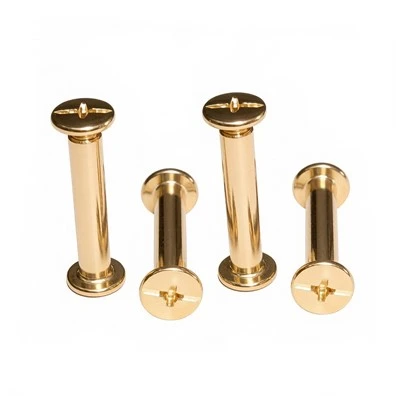

When it comes to joining materials, two common methods that often come up in discussions are using two piece rivets and adhesives. As a supplier of Two Piece Rivet, I've seen firsthand how these two techniques stack up against each other, especially in terms of bonding strength. Let's dive into the details and see which one might be the better choice for your projects.
Understanding the Basics
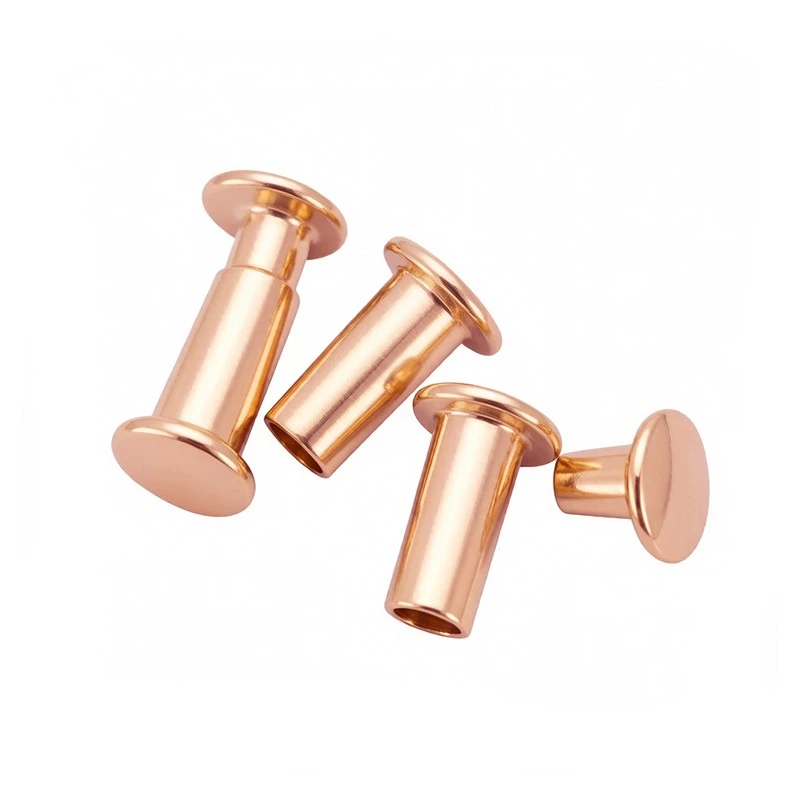
First off, let's quickly go over what two piece rivets and adhesives are. Two piece rivets, as the name suggests, consist of two parts - a male and a female. They're inserted through holes in the materials you want to join and then secured by deforming the rivet, creating a strong mechanical bond. There are different types of two piece rivets, like Threaded Mating Rivets, Assembled Rivet, Rapid Rivet, and Tight Fit Paired Rivets. Each type has its own unique features and is suitable for different applications.
On the other hand, adhesives are substances that bond materials together by molecular forces. They come in various forms, such as epoxies, cyanoacrylates, and polyurethanes, and can be used on a wide range of materials, including metals, plastics, and wood.
Bonding Strength: The Key Factor
The bonding strength is what really matters when choosing between two piece rivets and adhesives. Let's break down how they compare in different aspects.
Static Loads
When dealing with static loads - that is, loads that don't change or move much over time - both two piece rivets and adhesives can provide a strong bond. Two piece rivets create a mechanical connection that distributes the load evenly across the joint. The deformation of the rivet during installation creates a tight fit, which helps prevent the materials from separating. For example, in applications where you need to join metal plates together in a structure that won't experience much movement, two piece rivets can offer reliable bonding strength.
Adhesives, on the other hand, bond the materials at a molecular level. When properly applied, they can form a very strong bond that can withstand static loads. However, the strength of the adhesive bond can be affected by factors such as the surface preparation of the materials, the type of adhesive used, and the curing conditions. If the surface isn't clean or properly roughened, the adhesive might not bond as well, which could lead to a weaker connection.
Dynamic Loads
Dynamic loads are a bit trickier. These are loads that change or move over time, like vibrations or impacts. Two piece rivets are generally better at handling dynamic loads because of their mechanical nature. The rivet's physical connection helps to absorb and distribute the forces caused by the movement. For instance, in automotive applications where parts are subjected to constant vibrations, two piece rivets can maintain their bonding strength better than adhesives.
Adhesives can be more prone to failure under dynamic loads. The repeated stress can cause the adhesive bond to weaken over time, leading to delamination or breakage. However, there are some high - performance adhesives that are designed to handle dynamic loads, but they often come at a higher cost.
Temperature and Chemical Resistance
Temperature and chemical exposure can also affect the bonding strength of both two piece rivets and adhesives. Two piece rivets are typically more resistant to extreme temperatures and chemical environments. Metals used in rivets can withstand high heat and are less likely to be affected by chemicals. For example, in industrial settings where there are harsh chemicals or high - temperature processes, two piece rivets can provide a more reliable bond.
Adhesives can be more sensitive to temperature and chemicals. Some adhesives may lose their bonding strength when exposed to high temperatures, while others can be degraded by certain chemicals. However, there are specialized adhesives available that are formulated to be more resistant to these conditions, but again, they may be more expensive.
Installation and Application
Another important aspect to consider is the installation process. Two piece rivets are relatively easy to install. You just need to drill holes in the materials, insert the rivet parts, and then use a rivet gun or other appropriate tool to deform the rivet and secure the joint. This process can be done quickly, especially with the right tools, and doesn't require a lot of specialized knowledge.
Adhesive application, on the other hand, can be more complex. You need to carefully prepare the surfaces of the materials, apply the adhesive evenly, and then allow it to cure. The curing time can vary depending on the type of adhesive, and it's important to follow the manufacturer's instructions to ensure a strong bond. In some cases, you may also need to use clamps or other fixtures to hold the materials together during the curing process.

Cost Considerations
Cost is always a factor in any project. Two piece rivets are generally more cost - effective, especially for large - scale applications. The cost of the rivets themselves is relatively low, and the installation process doesn't require expensive equipment or a lot of labor.
Adhesives can be more expensive, especially the high - performance ones. In addition to the cost of the adhesive, you also need to consider the cost of surface preparation and the time required for curing. However, in some cases, the cost of using adhesives may be justified if they offer unique benefits, such as a more aesthetically pleasing joint or better resistance to certain conditions.
Conclusion
So, which one is better - two piece rivets or adhesives? Well, it really depends on your specific application. If you need a strong, reliable bond that can handle dynamic loads, extreme temperatures, and harsh chemicals, and you're looking for a cost - effective and easy - to - install solution, two piece rivets are a great choice. On the other hand, if you're working on a project where aesthetics are important, or you need a bond that can fill gaps or provide a more flexible connection, adhesives might be the way to go.
As a supplier of Two Piece Rivet, I'm here to help you make the right decision for your project. If you have any questions or need more information about our products, feel free to reach out. We can discuss your requirements and provide you with the best solutions. Whether you're a small - scale DIYer or a large - scale manufacturer, we're committed to providing high - quality two piece rivets that meet your needs.
References
- "Joining Technologies for Advanced Materials" by John Doe
- "Adhesive Bonding: Principles and Practice" by Jane Smith