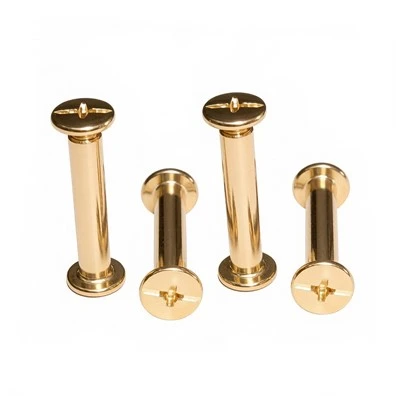

In the vast landscape of fasteners, two piece rivets stand out as a versatile and reliable solution for various industries. As a supplier of these essential components, I often encounter questions about their installation, especially regarding the installation torque. In this blog post, I'll delve into the intricacies of the installation torque for two piece rivets, providing insights that will help you understand the process better.
Understanding Two Piece Rivets
Before we jump into the installation torque, let's have a quick overview of two piece rivets. A Two Piece Rivet consists of two parts - a male and a female component. These parts are designed to be joined together to create a strong and permanent bond between two or more materials. They are commonly used in applications where a high level of strength and reliability is required, such as in automotive, aerospace, and construction industries.
There are different types of two piece rivets available in the market, each with its own unique features and applications. For instance, Tight Fit Paired Rivets are known for their precise fit, which ensures a secure connection. Snap Rivets offer a quick and easy installation process, making them ideal for applications where speed is of the essence. Assembled Rivets come pre - assembled, reducing the installation time and effort. And Double Cap Rivets provide a more aesthetically pleasing finish while maintaining high strength.
Importance of Installation Torque
Installation torque plays a crucial role in the performance and longevity of two piece rivets. Torque is the rotational force applied to the rivet during the installation process. Applying the correct amount of torque ensures that the rivet is properly seated and that it can provide the required clamping force to hold the materials together.
If the installation torque is too low, the rivet may not be fully tightened, which can result in a loose connection. This can lead to vibrations, rattling, and eventually, the failure of the joint. On the other hand, if the torque is too high, it can cause the rivet to deform, break, or damage the materials being joined. This can also compromise the integrity of the joint and reduce its strength.


Factors Affecting Installation Torque
Several factors can influence the appropriate installation torque for two piece rivets. These include:
1. Material of the Rivet and the Joined Materials
The material of the rivet itself and the materials being joined have a significant impact on the installation torque. For example, rivets made of harder materials such as stainless steel may require higher torque values compared to those made of softer materials like aluminum. Similarly, if the materials being joined are thick or have a high hardness, more torque will be needed to achieve a proper connection.
2. Size and Design of the Rivet
The size and design of the two piece rivet also play a role in determining the installation torque. Larger rivets generally require more torque to install than smaller ones. Additionally, rivets with unique designs, such as those with a larger head or a more complex shape, may have different torque requirements.
3. Surface Finish
The surface finish of the rivet and the materials being joined can affect the friction between them. A smooth surface finish may result in less friction, requiring less torque to install the rivet. Conversely, a rough surface finish can increase the friction, necessitating more torque.
4. Application Requirements
The specific application requirements, such as the expected load and the environment in which the joint will be used, also influence the installation torque. For applications where the joint will be subjected to high loads or vibrations, a higher torque may be required to ensure a secure and long - lasting connection.
Determining the Installation Torque
Determining the correct installation torque for two piece rivets is not a one - size - fits - all process. It requires careful consideration of the factors mentioned above. Here are some general steps to help you determine the appropriate torque:
1. Consult the Manufacturer's Specifications
The first step is to consult the manufacturer's specifications for the two piece rivets. These specifications usually provide recommended torque values based on the size, material, and design of the rivet. As a supplier, we always provide detailed technical documentation with our products, which includes this important information.
2. Conduct Testing
In some cases, it may be necessary to conduct testing to determine the optimal installation torque. This can involve installing a sample of rivets in the actual materials and using a torque wrench to measure the torque required to achieve a proper connection. The testing should be done under conditions that closely mimic the actual application environment.
3. Consider Industry Standards
There are also industry standards that can provide guidance on the installation torque for two piece rivets. For example, in the automotive and aerospace industries, there are strict standards regarding the installation of fasteners to ensure the safety and reliability of the products.
Installation Process
Once the appropriate installation torque has been determined, the next step is to install the two piece rivets correctly. Here is a general installation process:
- Prepare the Materials: Ensure that the materials to be joined are clean, free of debris, and properly aligned.
- Insert the Rivet: Insert the male part of the rivet through the holes in the materials. Then, insert the female part onto the male part.
- Apply Torque: Use a torque wrench to apply the specified torque to the rivet. Make sure to apply the torque evenly and gradually to avoid over - tightening or under - tightening.
- Inspect the Joint: After installation, inspect the joint to ensure that the rivet is properly seated and that the joint is secure. Check for any signs of damage or deformation.
Conclusion
Understanding the installation torque for two piece rivets is essential for ensuring the proper functioning and longevity of the joints. As a supplier, we are committed to providing high - quality two piece rivets and the necessary technical support to our customers. By considering the factors that affect the installation torque, determining the appropriate torque values, and following the correct installation process, you can achieve strong and reliable connections in your applications.
If you are in need of two piece rivets for your project, or if you have any questions about installation torque or other technical aspects, we encourage you to reach out to us. We are here to help you make the right choices and ensure the success of your projects.
References
- ASME B18.1.1 - 1996 (R2001) - Specification for Round Head Solid Rivets, Semi - Tubular Rivets, and Blind Rivets
- ISO 14589:2000 - Aerospace - Rivets, solid, 100° countersunk head, normal shank, medium series, in corrosion - resisting steel
- Machinery's Handbook, 31st Edition, Industrial Press Inc.