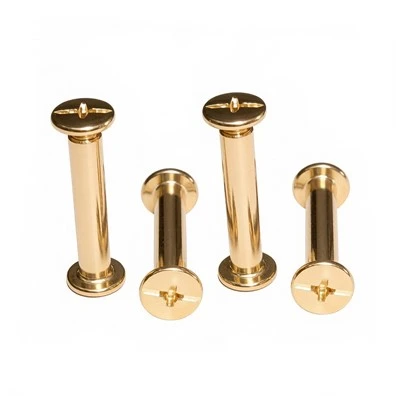

Yo, what's up everyone! As a supplier of male - female rivets, I often get asked a ton of questions about these little but super useful fasteners. One question that keeps popping up is, "What is the specific gravity of male - female rivets?" Let's dig into this topic and explore it in detail.
First off, let's talk a bit about what male - female rivets are. These are a type of fasteners designed to hold two or more materials together. They come in different shapes, sizes, and types, each with its own unique application and characteristics. For example, we've got Threaded Mating Rivets, which are great for assembling parts that require a strong, threaded connection. Then there are Rapid Rivet, which are known for their quick and easy installation, perfect for high - volume production. Snap Rivet are another type, which rely on a snap - fit mechanism, and they're used in applications where disassembly and reassembly might be needed. Two Piece Rivet are made up of two parts and are used in a wide range of industries, and Tight Fit Paired Rivets provide a snug fit, ensuring a secure connection.
Now, back to the main question: specific gravity. Specific gravity is the ratio of the density of a substance to the density of a reference substance, usually water at a specified temperature. For male - female rivets, the specific gravity can vary depending on the material they're made of.
Most male - female rivets are made from materials like steel, aluminum, brass, or plastic. Each of these materials has a different specific gravity.
Steel is a common material for rivets. It's strong and durable, making it suitable for heavy - duty applications. The specific gravity of steel typically ranges from about 7.75 to 8.05. This high specific gravity means that steel rivets are relatively heavy compared to rivets made from other materials. If you're working on a project where weight isn't a major concern, but strength is, steel rivets might be a great choice.
Aluminum, on the other hand, has a much lower specific gravity. It usually ranges from about 2.6 to 2.8. Aluminum rivets are lightweight, which makes them ideal for applications where weight needs to be kept to a minimum, like in the aerospace industry. They also have good corrosion resistance, which is a plus in many environments.
Brass rivets have a specific gravity in the range of about 8.4 to 8.7. Brass is known for its good electrical conductivity and corrosion resistance. It also has an attractive appearance, so it's often used in applications where aesthetics matter, such as in jewelry or decorative items.
Plastic rivets are becoming more and more popular, especially in applications where cost - effectiveness and non - conductivity are important. The specific gravity of plastic can vary widely depending on the type of plastic, but it's generally much lower than that of metals. For example, polypropylene has a specific gravity of around 0.9, which makes plastic rivets very light.
Why does the specific gravity of male - female rivets matter? Well, it can have several implications for your project.
Weight is an obvious factor. If you're building something that needs to be lightweight, like a portable device or a vehicle, choosing rivets with a lower specific gravity, such as aluminum or plastic, can help reduce the overall weight. On the other hand, if you need a strong, heavy - duty connection and weight isn't a problem, steel or brass rivets might be more appropriate.
Cost can also be affected by specific gravity. Heavier materials, like steel and brass, generally cost more per unit volume than lighter materials like aluminum and plastic. So, if you're on a tight budget, you might want to consider using rivets with a lower specific gravity.
Another aspect is the handling and installation of the rivets. Lighter rivets can be easier to handle and install, especially in large quantities. This can save time and labor costs during the assembly process.
When you're choosing male - female rivets for your project, it's important to not only consider the specific gravity but also other factors such as strength, corrosion resistance, and the type of application. For example, if you're working in a corrosive environment, you'll want to choose a material with good corrosion resistance, even if it has a higher specific gravity.


As a supplier, I've seen all sorts of projects, from small DIY crafts to large - scale industrial applications. Whatever your project is, we've got a wide range of male - female rivets to meet your needs. Whether you need the strength of steel, the lightness of aluminum, or the cost - effectiveness of plastic, we can provide the right rivets for you.
If you're in the market for male - female rivets and have any questions about specific gravity or any other aspect of our products, don't hesitate to reach out. We're here to help you make the best choice for your project. Whether you're a hobbyist looking for a few rivets for a fun project or a large - scale manufacturer in need of a steady supply, we've got you covered. Let's start a conversation and see how we can work together to get you the perfect male - female rivets.
References
- Engineering Materials Handbook series for data on material properties including specific gravity.
- Industry - specific manuals related to the use of fasteners in different applications.