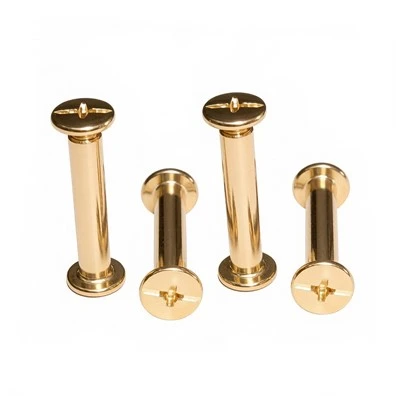

As a supplier of Aluminum Hollow Rivets, I've been in the industry long enough to notice the ongoing debate about the performance differences between domestic and imported aluminum hollow rivets. This topic is not only relevant to manufacturers and engineers but also to anyone involved in the assembly and construction processes. In this blog, I'll explore the various aspects that contribute to the performance of these rivets and whether there are indeed significant differences between domestic and imported options.
Material Quality
One of the primary factors that can affect the performance of aluminum hollow rivets is the quality of the material used. Aluminum is a widely used metal in the rivet industry due to its lightweight, corrosion resistance, and good mechanical properties. However, the quality of aluminum can vary depending on the source and the manufacturing process.
Domestic aluminum suppliers often have strict quality control measures in place to ensure that their products meet the required standards. They may source their aluminum from local mines or mills, which can provide better traceability and control over the material's composition. Additionally, domestic manufacturers may have a better understanding of the local market's needs and can tailor their products accordingly.
On the other hand, imported aluminum hollow rivets may come from countries with different manufacturing standards and regulations. While some imported products may offer high-quality materials, others may have lower quality due to less stringent quality control measures. It's important to carefully evaluate the source and reputation of the imported rivets before making a purchase.
Manufacturing Process
The manufacturing process also plays a crucial role in determining the performance of aluminum hollow rivets. A well-manufactured rivet should have consistent dimensions, a smooth surface finish, and proper hardness.


Domestic manufacturers typically invest in advanced manufacturing equipment and technology to ensure the precision and quality of their rivets. They may use automated processes that can produce rivets with high accuracy and repeatability. Additionally, domestic manufacturers may have a better understanding of the local market's requirements and can customize their manufacturing processes to meet specific needs.
Imported rivets may be manufactured using different processes and equipment, which can result in variations in quality. Some imported manufacturers may use older or less advanced technology, which can lead to inconsistencies in the rivets' dimensions and surface finish. It's important to compare the manufacturing processes of domestic and imported rivets to determine which option is more suitable for your application.
Performance Characteristics
When it comes to performance, there are several key characteristics to consider, including strength, corrosion resistance, and fatigue resistance.
- Strength: The strength of an aluminum hollow rivet is determined by its material composition and manufacturing process. A high-strength rivet is essential for applications that require a secure and reliable connection. Domestic rivets may be designed to meet specific strength requirements for the local market, while imported rivets may have different strength ratings. It's important to choose a rivet that has the appropriate strength for your application.
- Corrosion Resistance: Aluminum is known for its excellent corrosion resistance, but the level of corrosion resistance can vary depending on the alloy and the manufacturing process. Domestic manufacturers may use high-quality alloys and surface treatments to enhance the corrosion resistance of their rivets. Imported rivets may also offer good corrosion resistance, but it's important to verify the alloy composition and surface treatment before making a purchase.
- Fatigue Resistance: Fatigue resistance is the ability of a rivet to withstand repeated loading and unloading without failing. This is an important characteristic for applications that are subject to vibration or dynamic loads. Domestic manufacturers may conduct extensive testing to ensure the fatigue resistance of their rivets, while imported rivets may have different fatigue ratings. It's important to choose a rivet that has the appropriate fatigue resistance for your application.
Cost and Availability
Cost and availability are also important factors to consider when choosing between domestic and imported aluminum hollow rivets.
- Cost: The cost of domestic and imported rivets can vary depending on several factors, including the material, manufacturing process, and market demand. Domestic rivets may be more expensive due to higher labor costs and stricter quality control measures. However, they may also offer better value in the long run due to their higher quality and performance. Imported rivets may be less expensive, but they may also have lower quality and performance. It's important to compare the cost and quality of domestic and imported rivets to determine which option is more cost-effective for your application.
- Availability: The availability of domestic and imported rivets can also vary depending on the market demand and the supplier's inventory. Domestic suppliers may have a better understanding of the local market's needs and can provide faster delivery times. Imported suppliers may have longer lead times due to shipping and customs clearance. It's important to consider the availability of the rivets when making a purchase decision.
Conclusion
In conclusion, there are several factors to consider when evaluating the performance differences between domestic and imported aluminum hollow rivets. Material quality, manufacturing process, performance characteristics, cost, and availability are all important factors that can affect the suitability of a rivet for your application.
As a supplier of Aluminum Hollow Rivets, I recommend carefully evaluating the source and reputation of the rivets before making a purchase. Consider the specific requirements of your application and choose a rivet that has the appropriate strength, corrosion resistance, and fatigue resistance. Additionally, compare the cost and availability of domestic and imported rivets to determine which option is more cost-effective for your needs.
If you're interested in purchasing Aluminum Hollow Rivets or any other types of rivets, such as Stainless Steel Semi Hollow Rivets, Stainless Steel Hollow Rivets, Stainless Iron Semi Hollow Rivet, or Steel Semi Hollow Rivets, please feel free to contact us for more information. We're here to help you find the right rivets for your application and provide you with the best possible service.
References
- ASM Handbook Volume 11: Failure Analysis and Prevention
- Aluminum Association: Aluminum Design Manual
- Machinery's Handbook