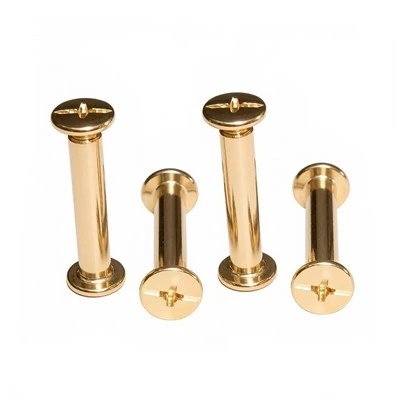

In the modern furniture industry, the demand for furniture that is easy to disassemble and assemble has been on the rise. Whether it's for moving purposes, storage, or modular design, the ability to install furniture connectors in a way that allows for easy disassembly is crucial. As a Furniture Connector supplier, I've witnessed firsthand the importance of this process and the impact it can have on the overall user experience. In this blog, I'll share some tips and techniques on how to achieve this.
Understanding the Types of Furniture Connectors
Before we delve into the installation process, it's essential to understand the different types of furniture connectors available. Each type has its own unique features and installation requirements. Here are some common types:
- Furniture Rivets Paired: These are often used for joining two pieces of wood or other materials. They provide a strong and durable connection, and can be easily disassembled with the appropriate tools.
- Hidden Furniture Connectors: As the name suggests, these connectors are designed to be hidden from view, providing a clean and seamless look. They are ideal for modern and minimalist furniture designs.
- Furniture Connecting Fittings: These fittings come in various shapes and sizes, and are used to connect different parts of the furniture, such as legs, frames, and panels.
- Cam Furniture Fasteners: Cam fasteners are one of the most popular types of furniture connectors. They consist of a cam and a bolt, and are tightened by turning the cam. They are easy to install and disassemble, making them a great choice for DIY furniture projects.
Preparing for Installation
Proper preparation is key to a successful installation. Here are some steps to follow:
- Gather the necessary tools: Depending on the type of furniture connector you're using, you may need tools such as a drill, screwdriver, wrench, or Allen key. Make sure you have all the tools on hand before you start.
- Measure and mark the installation points: Use a measuring tape and a pencil to mark the exact locations where you'll be installing the connectors. Double-check your measurements to ensure accuracy.
- Prepare the furniture pieces: If necessary, sand the surfaces where the connectors will be installed to ensure a smooth and even fit. Remove any debris or dirt from the holes or grooves.
Installation Techniques for Easy Disassembly
Now that you're prepared, it's time to install the furniture connectors. Here are some techniques to make the installation process easier and the disassembly process more straightforward:
1. Use the Right Size and Type of Connector
Choosing the right size and type of connector is crucial. Make sure the connector is compatible with the thickness and material of the furniture pieces you're joining. Using an incorrect size or type of connector can result in a weak connection or damage to the furniture.
2. Follow the Manufacturer's Instructions
Each furniture connector comes with specific installation instructions from the manufacturer. It's important to read and follow these instructions carefully. They will provide detailed information on how to prepare the holes, insert the connector, and tighten it properly.
3. Install the Connectors Securely but Not Over-Tighten
When installing the connectors, make sure they are tightened securely to ensure a stable connection. However, be careful not to over-tighten them, as this can strip the threads or damage the furniture. Use a torque wrench if necessary to ensure the correct level of tightness.
4. Consider Using Threaded Inserts
Threaded inserts can be a great addition to your furniture connector installation. They provide a stronger and more reliable connection, especially in softer woods or materials. Threaded inserts are also easier to disassemble and reassemble without damaging the furniture.
5. Label the Connectors and Furniture Pieces
To make the disassembly process easier, label the connectors and the corresponding furniture pieces. This will help you keep track of which connector goes where and make it easier to reassemble the furniture later.


Disassembly Process
When it comes time to disassemble the furniture, follow these steps:
- Gather the necessary tools: You'll need the same tools you used for installation, such as a screwdriver, wrench, or Allen key.
- Loosen the connectors: Carefully loosen the connectors in the reverse order of installation. Be gentle to avoid damaging the furniture or the connectors.
- Remove the furniture pieces: Once the connectors are loosened, carefully remove the furniture pieces. If there are any stubborn connectors, use a gentle tap with a rubber mallet to loosen them.
Conclusion
Installing furniture connectors in a way that is easy to disassemble is an important skill for both furniture manufacturers and DIY enthusiasts. By understanding the different types of connectors, preparing properly, and following the right installation techniques, you can ensure a strong and reliable connection that can be easily disassembled when needed.
If you're in the market for high-quality Furniture Connector, look no further. As a leading supplier in the industry, we offer a wide range of furniture connectors to meet your needs. Our products are designed for easy installation and disassembly, ensuring a hassle-free experience for you and your customers.
Contact us today to discuss your specific requirements and start a procurement negotiation. We're here to help you find the perfect furniture connectors for your projects.
References
- Furniture Manufacturing Handbook
- DIY Furniture Assembly Guide
- Furniture Connector Manufacturer's Manuals