
Hey there! I'm working with an aircraft solid rivets supply business. One of the most common issues we hear from our customers is about corrosion on aircraft solid rivets. It's a real pain, but don't worry, I've got some solid tips on how to prevent it.
First off, let's understand why corrosion happens. Corrosion on aircraft solid rivets is mainly caused by a few factors. One biggie is the environment. If the aircraft is flying in areas with high humidity, saltwater, or industrial pollution, the rivets are more likely to corrode. The materials used in the aircraft and the rivets themselves also play a role. For example, if the rivet and the surrounding material have different electrochemical potentials, it can create a galvanic cell, which speeds up corrosion.
Now, let's dive into the prevention methods.
1. Material Selection
Choosing the right material for your aircraft solid rivets is crucial. Different materials have different levels of corrosion resistance.
- Stainless Steel Rivets: Stainless steel is a great option because it contains chromium, which forms a passive oxide layer on the surface. This layer protects the metal from further oxidation and corrosion. Our Stainless Steel Flat Head Rivets are made from high - quality stainless steel, which can withstand harsh environments. They're perfect for areas where corrosion is a major concern.
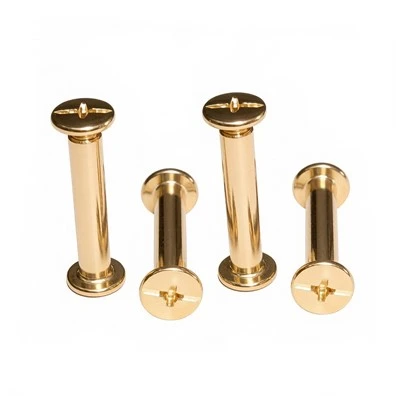
- Copper and Brass Rivets: Solid Copper Rivets and Solid Brass Rivets also have good corrosion resistance. Copper has a natural ability to resist corrosion, and brass, an alloy of copper and zinc, combines the benefits of both metals. These rivets are often used in less - critical areas or in aircraft where a certain aesthetic appeal is desired.
- Steel Rivets: While steel is strong, it's more prone to corrosion compared to stainless steel. However, if properly treated, steel rivets can still be used. Our Steel Round Head Rivets can be coated to enhance their corrosion resistance.
2. Surface Treatment
Surface treatment is another effective way to prevent corrosion.
- Anodizing: This is a common treatment for aluminum rivets. Anodizing creates a thick, protective oxide layer on the surface of the rivet. This layer not only provides corrosion protection but also improves the rivet's durability.
- Plating: Plating involves applying a thin layer of a more corrosion - resistant metal onto the surface of the rivet. For example, zinc plating can be used on steel rivets to protect them from rust.
- Painting: A good coat of paint can act as a barrier between the rivet and the environment. It can prevent moisture, oxygen, and other corrosive agents from reaching the rivet surface. Make sure to use a high - quality paint that is specifically designed for aircraft applications.
3. Proper Installation
How you install the rivets can also affect their corrosion resistance.
- Cleaning the Surfaces: Before installing the rivets, make sure the surfaces of the aircraft components and the rivets themselves are clean. Any dirt, grease, or debris can trap moisture and promote corrosion. Use a suitable solvent to clean the surfaces thoroughly.
- Correct Rivet Size and Fit: Using the right size of rivet is essential. A rivet that is too small may not provide a proper seal, while a rivet that is too large can cause stress on the surrounding material, which may lead to corrosion over time. Also, ensure a tight fit between the rivet and the hole to prevent water and other contaminants from getting in.
- Installation Tools: Use high - quality installation tools to ensure a proper and consistent installation. Poorly installed rivets can have gaps or uneven surfaces, which are more prone to corrosion.
4. Maintenance and Inspection
Regular maintenance and inspection are key to preventing corrosion on aircraft solid rivets.
- Regular Cleaning: Clean the aircraft regularly to remove dirt, salt, and other contaminants. Use a mild detergent and a soft brush or cloth. Avoid using abrasive materials that can damage the rivet surface.
- Inspection: Inspect the rivets regularly for signs of corrosion, such as discoloration, pitting, or loose rivets. If you notice any issues, take action immediately. Small corrosion problems can often be repaired before they become major issues.
5. Environmental Considerations
Aircraft operators should also consider the operating environment.
- Storage: If the aircraft is going to be stored for a long time, make sure it's stored in a dry, well - ventilated area. If possible, cover the aircraft to protect it from dirt and moisture.
- Flight Routes: When planning flight routes, try to avoid areas with high levels of pollution or saltwater spray as much as possible. If flying over the ocean or in industrial areas is unavoidable, take extra precautions such as more frequent inspections and cleaning.
Unique Rivet Shapes and Their Corrosion Resistance
We also offer Semi - countersunk Solid Rivet. The semi - countersunk shape has its own advantages when it comes to corrosion prevention. Its shape allows for a flatter surface, which can reduce the chances of dirt and moisture accumulation compared to some other rivet shapes.
In conclusion, preventing corrosion on aircraft solid rivets involves a combination of material selection, surface treatment, proper installation, maintenance, and environmental considerations. As a supplier, we're here to help you make the right choices for your aircraft. Whether you need Stainless Steel Flat Head Rivets for high - corrosion areas or Solid Copper Rivets for a more decorative touch, we've got you covered.


If you're interested in purchasing our high - quality aircraft solid rivets or have any questions about corrosion prevention, feel free to get in touch and start a conversation. We're always happy to discuss your needs and find the best solutions for you.
References
- Machinery's Handbook: A reference for mechanical engineers, machinists, and manufacturers. It provides in - depth information on materials, manufacturing processes, and corrosion prevention.
- Aircraft Maintenance Manuals: Issued by aircraft manufacturers, these manuals contain detailed instructions on maintenance procedures, including corrosion prevention and inspection.