

When it comes to the world of fasteners, assembled rivets play a pivotal role in various industries, from automotive and aerospace to manufacturing and construction. As an assembled rivet supplier, we're often asked about the resistance of these rivets to chemical substances. This blog post aims to explore this topic in depth, providing you with valuable insights into how different types of assembled rivets stand up to various chemicals.

Understanding Assembled Rivets
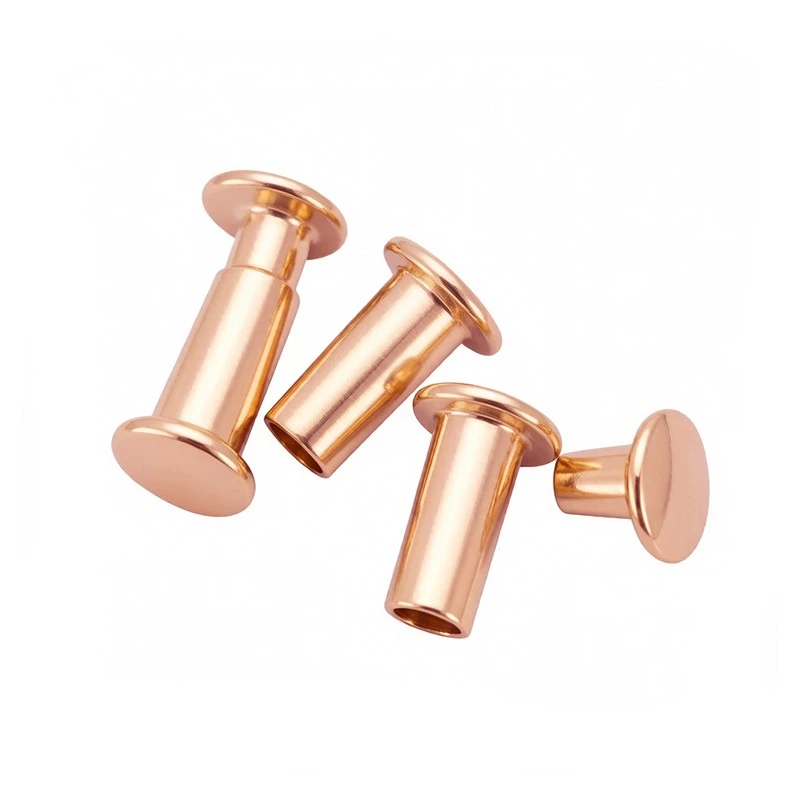
Assembled rivets are designed to join two or more components together securely. They come in a variety of types, each with its own unique features and applications. Some of the common types of assembled rivets include Double Cap Rivet, Snap Rivet, Two Piece Rivet, Rapid Rivet, and Tight Fit Paired Rivets. These rivets are made from different materials, such as steel, aluminum, brass, and stainless steel, which significantly influence their resistance to chemical substances.
Factors Affecting Chemical Resistance
The chemical resistance of assembled rivets depends on several factors, including the material of the rivet, the type of chemical involved, the concentration of the chemical, and the duration of exposure. Let's take a closer look at each of these factors:
- Material of the Rivet: Different materials have different levels of resistance to chemicals. For example, stainless steel is known for its excellent corrosion resistance, making it a popular choice for applications where the rivets will be exposed to harsh chemicals or corrosive environments. Aluminum, on the other hand, is lightweight and has good resistance to some acids and alkalis but may be more susceptible to corrosion in certain environments.
- Type of Chemical: The nature of the chemical substance also plays a crucial role in determining the resistance of the rivet. Some chemicals, such as acids and alkalis, are highly corrosive and can cause significant damage to the rivet over time. Other chemicals, such as solvents and lubricants, may have a less severe impact on the rivet depending on their composition and concentration.
- Concentration of the Chemical: The concentration of the chemical can significantly affect the rate of corrosion. Higher concentrations of corrosive chemicals will generally cause more rapid deterioration of the rivet compared to lower concentrations.
- Duration of Exposure: The longer the rivet is exposed to a chemical substance, the greater the likelihood of corrosion. Continuous exposure to harsh chemicals can eventually lead to the failure of the rivet and compromise the integrity of the joint.
Resistance of Different Rivet Materials to Chemicals
Stainless Steel Rivets
Stainless steel is a popular choice for assembled rivets due to its excellent corrosion resistance. It contains a high percentage of chromium, which forms a passive oxide layer on the surface of the rivet, protecting it from corrosion. Stainless steel rivets are resistant to a wide range of chemicals, including acids, alkalis, and salts. They are commonly used in applications where the rivets will be exposed to harsh environments, such as in the automotive, marine, and chemical industries.
Aluminum Rivets
Aluminum is a lightweight and corrosion-resistant material that is commonly used in assembled rivets. It forms a thin oxide layer on its surface, which provides some protection against corrosion. Aluminum rivets are resistant to many acids and alkalis, but they may be more susceptible to corrosion in certain environments, such as those containing chloride ions. They are often used in applications where weight is a concern, such as in the aerospace and automotive industries.
Brass Rivets
Brass is an alloy of copper and zinc, which offers good corrosion resistance and electrical conductivity. Brass rivets are resistant to many chemicals, including water, air, and some acids. However, they may be more susceptible to corrosion in environments containing sulfides or ammonia. Brass rivets are commonly used in applications where both corrosion resistance and electrical conductivity are required, such as in electrical and electronic equipment.
Steel Rivets
Steel is a strong and durable material that is commonly used in assembled rivets. However, it is more susceptible to corrosion compared to stainless steel, aluminum, and brass. Steel rivets can be protected from corrosion by coating them with a layer of zinc, paint, or other protective materials. They are often used in applications where cost is a concern and the rivets will not be exposed to harsh environments for extended periods.
Testing Chemical Resistance of Assembled Rivets
To ensure the reliability and performance of assembled rivets in chemical environments, it is important to conduct proper testing. There are several methods for testing the chemical resistance of rivets, including immersion testing, salt spray testing, and electrochemical testing.
- Immersion Testing: In immersion testing, the rivets are immersed in a chemical solution for a specified period of time. The condition of the rivets is then inspected for signs of corrosion, such as rust, discoloration, or pitting.
- Salt Spray Testing: Salt spray testing is a commonly used method for evaluating the corrosion resistance of metals. The rivets are placed in a salt spray chamber and exposed to a salt fog for a specified period of time. The amount of corrosion is then measured and evaluated based on a specific rating scale.
- Electrochemical Testing: Electrochemical testing involves measuring the electrical properties of the rivets in a chemical solution. This method can provide information about the corrosion rate and the mechanism of corrosion.
Applications Requiring Chemical Resistance
Assembled rivets with high chemical resistance are used in a variety of applications where the rivets will be exposed to harsh chemicals or corrosive environments. Some of the common applications include:
- Automotive Industry: In the automotive industry, rivets are used in various components, such as body panels, engines, and fuel systems. Rivets that are resistant to chemicals, such as acids, alkalis, and fuels, are essential to ensure the durability and safety of these components.
- Aerospace Industry: The aerospace industry requires rivets that can withstand extreme conditions, including high temperatures, high pressures, and exposure to chemicals. Rivets made from stainless steel and titanium are commonly used in aerospace applications due to their excellent corrosion resistance and strength.
- Chemical Industry: In the chemical industry, rivets are used in equipment and pipelines that handle corrosive chemicals. Rivets with high chemical resistance are necessary to prevent leaks and ensure the safety and reliability of the equipment.
- Marine Industry: The marine environment is highly corrosive due to the presence of saltwater and other chemicals. Rivets used in marine applications, such as boat building and offshore structures, need to have excellent corrosion resistance to withstand the harsh conditions.
Conclusion
The resistance of assembled rivets to chemical substances is a critical factor in many industries. By understanding the factors that affect chemical resistance and choosing the right type of rivet material for the application, you can ensure the reliability and performance of your products. As an assembled rivet supplier, we offer a wide range of rivets made from different materials to meet your specific requirements. If you have any questions or need assistance in selecting the right rivets for your application, please don't hesitate to contact us for procurement and further discussions.
References
- ASM Handbook Volume 13A: Corrosion: Fundamentals, Testing, and Protection
- ASTM International Standards on Corrosion Testing
- NACE International: Corrosion Basics and Best Practices