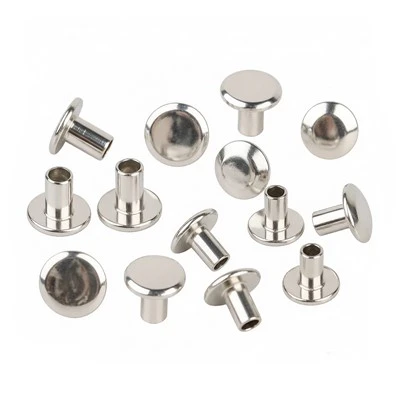
The robustness and durability of double-sided rivets depend on material quality, manufacturing processes, and the operating environment. When correctly selected and applied, double-sided rivets provide secure, reliable connections and demonstrate excellent durability.
Basic Concepts and Structure of Double-Sided Rivets
As the name implies, a double-sided rivet is a fastener featuring two riveting surfaces. It typically consists of a rivet body and heads at both ends, serving to tightly join two or more components through the riveting process. Its structural design enables it to provide effective support against shear and tensile forces, thereby ensuring a stable connection.
The Relationship Between Material Selection and Durability
The durability of double-sided rivets relies heavily on the choice of material. High-quality materials offer superior strength, hardness, and corrosion resistance, extending the rivet's service life. Common materials include stainless steel, aluminum alloys, and high-strength steel. Since these materials exhibit varying performance characteristics depending on the environment, the appropriate material must be selected based on the specific application scenario.
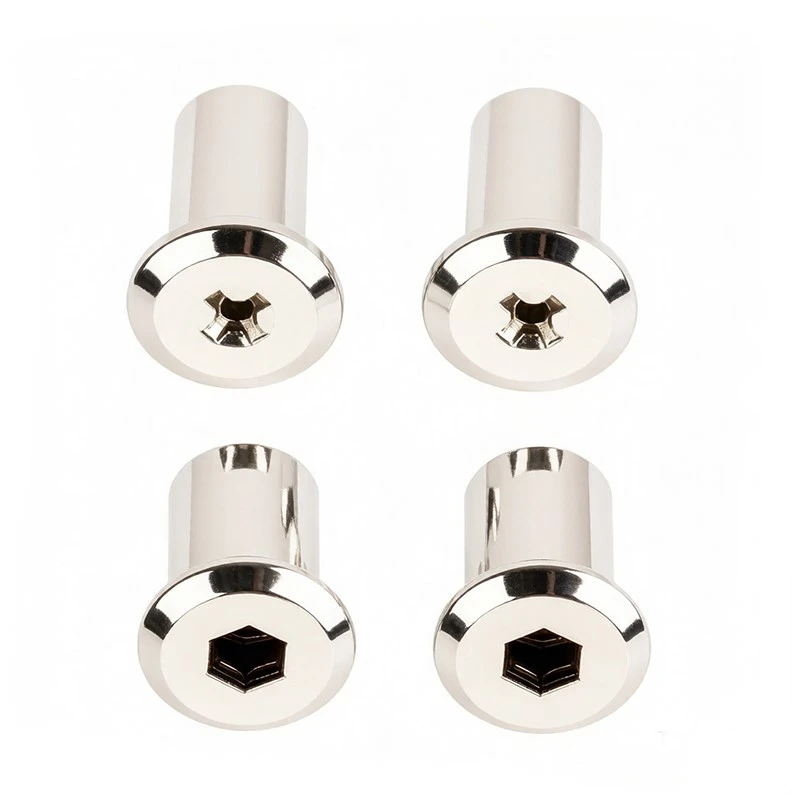
Impact of Manufacturing Processes on Durability
Beyond material selection, manufacturing processes significantly influence durability. Precision manufacturing ensures dimensional accuracy, surface quality, and internal structural integrity, thereby enhancing load-bearing capacity. For instance, rivets produced via cold heading exhibit high density and uniform metal grain flow; this allows for more even distribution of external forces and reduces the risk of stress concentration.
Operating Environment and Maintenance
Durability is also affected by the operating environment. Rivets are susceptible to corrosion and damage in harsh conditions-such as high humidity, highly corrosive atmospheres, or extreme temperatures. Consequently, the operating environment must be carefully considered during selection, and appropriate protective measures implemented. Furthermore, regular inspection and maintenance are crucial for extending the rivet's service life.
Conclusion and Recommendations
In summary, the robustness and durability of double-sided rivets are determined by a combination of factors. To ensure the performance and service life of the rivets, it is recommended to focus on the following aspects: 1. selecting high-quality materials; 2. employing superior manufacturing processes; 3. fully considering the operating environment and implementing protective measures; and 4. conducting regular inspections and maintenance. Implementing these measures maximizes the advantages of double-sided rivets in fastening applications, ensuring their strength and durability.