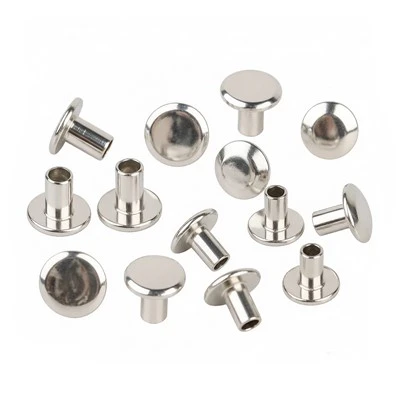
Installation Steps for Semi-Tubular Rivets
Installing semi-tubular rivets is as simple as building with blocks; it takes just three steps:
Preparation: Select the appropriate rivet size and material to ensure compatibility with the materials being joined.
Positioning and Drilling: Drill a hole in the material; the hole diameter should be slightly larger than the rivet diameter.
Riveting Operation: Insert the rivet into the hole and use a rivet gun or manual tool to set it until the rivet tail fully expands.
Tool Selection and Usage Tips
To do a job well, one must have the right tools. Choosing the right equipment makes the task much more efficient:
Rivet Gun Recommendations: Electric rivet guns offer high efficiency, making them ideal for large-scale operations; manual rivet guns are portable and suitable for small-scale repairs.
Rivet Selection: Choose a rivet of the appropriate length and diameter based on material thickness and strength requirements.
Operational Tips: Keep the rivet gun perpendicular to the material and apply force evenly to prevent the rivet from tilting or breaking.
Common Issues and Solutions
Don't panic if you encounter problems; these tips will help you handle them easily:
Loose Rivet: Check if the hole diameter is too large or if the rivet length is insufficient.
Weak Joint: Ensure the rivet tail fully expands; switch to a larger-diameter rivet if necessary.
Material Cracking: Avoid using excessive force when drilling and apply proper lubrication to reduce friction.