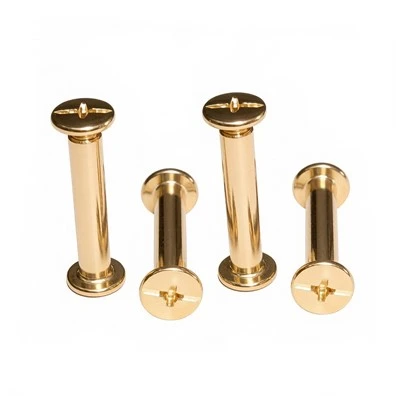

Are snap rivets available in metric sizes? That's a question I get asked a lot as a snap rivet supplier. And the answer is a resounding yes! In this blog post, I'm gonna break down everything you need to know about metric snap rivets, from what they are to why you might need them and where you can find the right ones for your project.
What Are Snap Rivets?
Let's start with the basics. Snap rivets are a type of fastener used to join two or more materials together. They're pretty handy because they can be installed quickly and easily without the need for special tools in most cases. You've got a male part and a female part, and they snap together to create a secure connection.
There are different types of snap rivets out there, like Assembled Rivet, Rapid Rivet, Snap Rivet, Two Piece Rivet, and Threaded Mating Rivets. Each type has its own unique features and uses, but they all share the common snap - together design.
Metric Sizes: What's the Big Deal?
The metric system is widely used around the world, especially in industries that require high precision and standardization. When it comes to snap rivets, having metric sizes available is crucial for several reasons.
First off, if you're working on an international project, chances are you'll need to use metric measurements. Many countries outside of the United States rely on the metric system for manufacturing, construction, and engineering. So, if your project involves collaborating with partners from these regions, metric snap rivets are a must.
Secondly, metric sizes offer a more consistent and precise way of measuring. The metric system is based on powers of 10, which makes it easier to calculate and work with. This precision can be a game - changer when you're dealing with thin materials or need a tight fit between the joined materials.
Advantages of Using Metric Snap Rivets
- Global Compatibility: As I mentioned earlier, using metric snap rivets allows you to work on projects that have an international scope. You won't have to worry about converting measurements or dealing with compatibility issues when sourcing materials from different countries.
- Precision and Accuracy: Metric measurements are more precise than their imperial counterparts. This means you can get a more accurate fit for your snap rivets, reducing the risk of loose connections or parts that don't line up properly.
- Standardization: The metric system is standardized across the globe. This means that when you purchase metric snap rivets, you can be confident that they'll meet the same quality and size standards, no matter where they're made.
Types of Metric Snap Rivets
There are a few different types of metric snap rivets to choose from, depending on your specific needs.
- Blind Snap Rivets: These are great for applications where you can only access one side of the material. They're inserted into a pre - drilled hole and the snap mechanism is activated to hold the materials together.
- Solid Snap Rivets: These are more traditional and are used when you need a very strong and permanent connection. They're usually installed using a rivet gun.
- Plastic Snap Rivets: Lightweight and corrosion - resistant, plastic snap rivets are ideal for applications where weight is a concern or where you need to avoid metal - to - metal contact.
Where to Find Metric Snap Rivets
As a snap rivet supplier, I can tell you that finding metric snap rivets isn't as hard as you might think. There are plenty of online suppliers that offer a wide range of metric snap rivets in different sizes, materials, and styles.
When you're looking for a supplier, make sure to check their product specifications carefully. Look for details like the diameter, length, and material of the snap rivets. You should also read customer reviews to get an idea of the quality of their products and their customer service.
How to Choose the Right Metric Snap Rivet
Choosing the right metric snap rivet for your project depends on several factors. Here are some things to consider:
- Material Thickness: You need to make sure the snap rivet is long enough to go through all the materials you're joining. Measure the total thickness of the materials and choose a snap rivet with a length that's appropriate.
- Material Type: Different materials require different types of snap rivets. For example, if you're joining plastic materials, you might want to use plastic snap rivets. If you're working with metal, solid or blind snap rivets might be a better choice.
- Load Requirements: Think about how much weight or stress the joined parts will need to withstand. If it's a high - load application, you'll need a stronger snap rivet.
Installation Tips for Metric Snap Rivets
Installing metric snap rivets is usually a straightforward process, but here are a few tips to make sure you get it right:
- Prepare the Hole: Make sure the hole you drill is the right size for the snap rivet. A hole that's too small can make it difficult to insert the rivet, while a hole that's too large can result in a loose connection.
- Align the Parts: Before inserting the snap rivet, make sure the parts you're joining are properly aligned. This will help ensure a secure and even connection.
- Use the Right Tools: Depending on the type of snap rivet, you might need a special tool for installation. Follow the manufacturer's instructions carefully to avoid damaging the rivet or the materials.
Conclusion
So, to answer the question, yes, snap rivets are definitely available in metric sizes. They offer a range of benefits, from global compatibility to precision and accuracy. Whether you're working on a small DIY project or a large - scale industrial application, there's a metric snap rivet out there that's right for you.
If you're in the market for metric snap rivets, I'd love to have a chat with you. As a supplier, I've got a wide range of options available and can help you find the perfect snap rivets for your needs. Don't hesitate to reach out for more information and to start the purchasing process.


References
- General knowledge of snap rivet industry
- Understanding of metric measurement systems in manufacturing