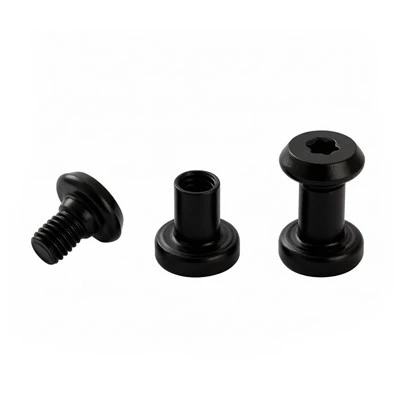

Can furniture connectors be reused? That's a question I hear quite often as a supplier of Furniture Connectors. In this blog post, I'll share my thoughts on this topic and provide you with some insights based on my experience in the industry.
Understanding Furniture Connectors
First off, let's get a clear idea of what furniture connectors are. Furniture connectors are essential components that hold different parts of a piece of furniture together. There are various types of connectors available in the market, each designed for specific functions and furniture styles. Some common types include Furniture Connecting Fittings, Hidden Furniture Connectors, Cam Furniture Fasteners, Cam Lock Connectors For Furniture, and Furniture Rivets Paired.
These connectors come in different shapes, sizes, and materials. For example, some are made of metal, which offers high strength and durability, while others are made of plastic, which can be more lightweight and cost - effective. The choice of connector depends on factors such as the type of furniture, the weight it needs to support, and the aesthetic requirements.


Factors Affecting Reusability
Now, let's dive into the factors that determine whether furniture connectors can be reused.
Type of Connector
- Cam Locks: Cam locks are one of the most commonly used furniture connectors. They work by inserting a cam into a hole and then turning it to lock it in place. In many cases, cam locks can be reused. As long as the cam and the corresponding socket are not damaged during disassembly, they can be used again to assemble a new piece of furniture. However, if the plastic or metal parts are cracked or worn out, it's best not to reuse them as they may not provide a secure connection.
- Rivets: Rivets are used to permanently join two or more pieces of furniture together. Once a rivet is installed, it is very difficult to remove it without damaging the rivet or the surrounding material. So, generally, rivets are not reusable. If you try to reuse them, the connection may not be as strong as the first time, which can compromise the stability of the furniture.
- Hidden Connectors: Hidden connectors are designed to create a seamless look in furniture. Some hidden connectors can be disassembled and reused, especially those that use a sliding or locking mechanism. But others may be glued or fixed in a way that makes them difficult or impossible to reuse without damaging the furniture or the connector itself.
Condition after Disassembly
The condition of the connector after disassembly plays a crucial role. If the connector has been bent, broken, or has significant wear and tear, it's not a good candidate for reuse. For example, if a metal connector has been over - tightened during assembly and has become misshapen, it won't be able to provide a proper fit when reused. On the other hand, if the connector was carefully disassembled and shows no visible signs of damage, there's a good chance it can be reused.
Compatibility with New Furniture
Even if a connector is in good condition, it may not be suitable for reuse if the new furniture has different requirements. For instance, a connector that was used for a lightweight bookshelf may not be strong enough for a heavy - duty wardrobe. Also, the size and shape of the holes or slots in the new furniture may not match the connector, making it impossible to use.
Benefits of Reusing Furniture Connectors
There are several benefits to reusing furniture connectors if it's possible.
Cost - Savings
Reusing connectors can save you a significant amount of money. Instead of buying new connectors for every furniture project, you can use the ones you already have. This is especially beneficial for small - scale furniture makers or DIY enthusiasts who are working on a budget.
Environmental Impact
From an environmental perspective, reusing connectors reduces waste. Manufacturing new connectors requires energy and resources, and by reusing them, we can minimize the demand for new production. This helps in conserving natural resources and reducing the carbon footprint associated with the furniture industry.
Risks of Reusing Furniture Connectors
However, there are also some risks involved in reusing furniture connectors.
Reduced Strength
As mentioned earlier, connectors that have been used before may have some wear and tear, which can reduce their strength. A weakened connector may not be able to hold the furniture together securely, leading to potential safety hazards. For example, a loose connector in a chair could cause it to collapse when someone sits on it.
Incompatibility Issues
There's always a risk of compatibility issues when reusing connectors. If the connector doesn't fit properly, it can lead to a wobbly or unstable piece of furniture. This can not only affect the functionality of the furniture but also its aesthetic appeal.
Tips for Reusing Furniture Connectors
If you decide to reuse furniture connectors, here are some tips to ensure a successful outcome.
Inspect Thoroughly
Before reusing a connector, inspect it carefully for any signs of damage. Check for cracks, bends, or excessive wear. If you notice any issues, it's better to replace the connector.
Clean the Connectors
Dirt, dust, and debris can affect the performance of the connectors. Clean them thoroughly using a mild detergent and a soft brush. Make sure to dry them completely before reuse.
Test the Fit
Before fully assembling the furniture, test the fit of the connectors. Make sure they fit snugly into the holes or slots in the furniture pieces. If there's any looseness or misalignment, try to adjust the connector or the furniture piece accordingly.
Conclusion
So, can furniture connectors be reused? The answer is it depends. Some connectors, like certain cam locks, can often be reused if they are in good condition and compatible with the new furniture. However, other types, such as rivets, are usually not reusable. Reusing connectors can offer cost - savings and environmental benefits, but it also comes with risks such as reduced strength and compatibility issues.
If you're in need of high - quality furniture connectors, whether for new projects or to replace connectors that can't be reused, I'm here to help. As a reliable supplier, I offer a wide range of Furniture Connecting Fittings, Hidden Furniture Connectors, Cam Furniture Fasteners, Cam Lock Connectors For Furniture, and Furniture Rivets Paired. Feel free to reach out to discuss your specific needs and let's work together to find the best solutions for your furniture projects.
References
- Furniture Manufacturing Handbook: A guidebook that provides in - depth information on various components of furniture, including connectors.
- Journal of Furniture Science: Articles on furniture design and engineering that often cover the use and reusability of furniture connectors.