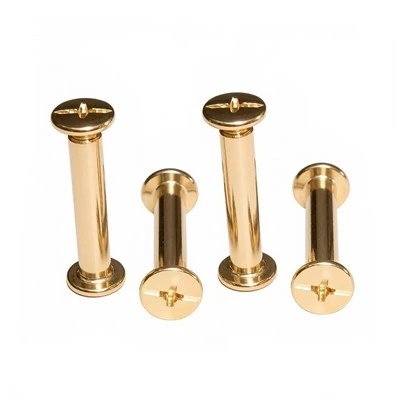

As a supplier of male - female rivets, I often get asked the question, "Can male - female rivets be installed by hand?" In this blog post, I'll delve into this topic, exploring the feasibility, process, limitations, and best - practices for hand - installing male - female rivets.
Understanding Male - Female Rivets
Male - female rivets, as the name suggests, consist of two parts: a male and a female component. These rivets come in various types, each designed for specific applications. We offer a wide range of them, such as Two Piece Rivet, Assembled Rivet, Threaded Mating Rivets, Tight Fit Paired Rivets, and Double Cap Rivet.
The male part typically has a shaft that inserts into the female part, which is often pre - installed or inserted into a pre - drilled hole in the materials to be joined. Once the male and female components are mated properly, they form a secure connection that can hold materials together firmly.
Feasibility of Hand Installation
The short answer is yes, male - female rivets can be installed by hand, but it depends on several factors.
For smaller and lighter - duty male - female rivets, hand installation is entirely feasible. These rivets usually have a relatively small diameter and are used in applications where the joined materials don't experience high stress or loads. For example, in the assembly of lightweight electronic enclosures, toys, or some decorative items, hand - installing male - female rivets can be a practical option.
However, for larger and heavier - duty rivets, it might be extremely difficult or even impossible to install them by hand. The force required to properly seat the male part into the female part and create a strong, reliable connection can be beyond what a person can generate using only hand tools. In industrial applications where the joints need to withstand significant mechanical stress, vibration, or pressure, power - assisted tools are often necessary.
The Process of Hand - Installing Male - Female Rivets
If you've decided that hand - installing male - female rivets is the right approach for your project, here's a general process to follow:
Step 1: Prepare the Materials
First, ensure that the materials you want to join are clean and free of debris, oil, or any other contaminants. This helps to ensure a good fit and a strong connection. Drill holes in the materials to the appropriate size for the rivets. The hole diameter should be slightly larger than the shaft diameter of the male rivet to allow for easy insertion but not so large that it compromises the connection strength.
Step 2: Insert the Female Rivet
Place the female part of the rivet into one of the pre - drilled holes. You may need to use a small hammer or a punch to gently tap it into place until it is flush or slightly recessed with the surface of the material. Make sure it is seated correctly and straight.
Step 3: Insert the Male Rivet
With the female rivet in place, insert the male rivet through the corresponding hole in the other material and into the female rivet. This may require some wiggling and alignment. Once the male rivet is partially inserted, use pliers, a small hammer, or a specialized hand - held riveting tool to apply pressure and fully seat the male rivet into the female rivet. You should feel or hear a click or a change in resistance when the rivet is properly installed.
Step 4: Check the Installation
After installing the rivet, inspect the joint to ensure that it is secure. Check for any signs of looseness, misalignment, or damage to the rivet or the materials. If necessary, make adjustments or re - install the rivet.
Limitations of Hand Installation
While hand - installing male - female rivets has its advantages, such as being cost - effective and accessible for small - scale projects, it also has some limitations.
As mentioned earlier, the physical strength of a person is a major limitation. Larger or more heavy - duty rivets require a significant amount of force to install properly, and it can be difficult to achieve the necessary level of tightness and connection strength by hand. This can lead to weak joints that may fail under stress.
Consistency can also be a problem when installing rivets by hand. It's challenging to apply the exact same amount of force each time, which may result in variations in the quality of the installed rivets. In some applications, such as aerospace or automotive manufacturing, high precision and consistency are crucial, and hand - installation may not meet the required standards.
Best Practices for Hand Installation
To improve the success rate of hand - installing male - female rivets, here are some best practices:
- Use the Right Tools: Invest in good - quality hand tools such as pliers, hammers, and hand - held riveting tools. The right tools can make the installation process easier and more effective.
- Practice on Scrap Materials: If you're new to hand - installing rivets, practice on scrap pieces of the same materials you'll be using in your project. This helps you get a feel for the process and learn how much force to apply.
- Inspect Rivets Before Installation: Check each rivet for any defects, such as cracks or burrs. Using a defective rivet can lead to a poor - quality joint.
- Follow Manufacturer's Guidelines: Different types of male - female rivets may have specific installation requirements. Make sure to read and follow the manufacturer's instructions carefully.
When to Consider Power - Assisted Installation
As a supplier, I often recommend power - assisted installation for certain applications. If you're working on a large - scale project, or if the joints need to withstand high stress, vibration, or pressure, power - assisted tools such as pneumatic or hydraulic riveters can provide the consistent force and precision required.
Power - assisted installation also saves time and effort, especially when installing a large number of rivets. In addition, these tools can often achieve a higher level of connection strength compared to hand - installation.
Conclusion
In conclusion, male - female rivets can be installed by hand, especially for small - scale and low - stress applications. Hand - installation is a cost - effective and accessible option, but it has its limitations in terms of the size and strength requirements of the rivets. If you're unsure whether hand - installation is suitable for your project, feel free to reach out to us. As a professional male - female rivet supplier, we have the knowledge and experience to help you choose the right rivets and installation method for your needs. Whether you're a DIY enthusiast or an industrial manufacturer, we're here to support you. Contact us for professional advice and to discuss your procurement needs.


References
- "Riveting Technology Handbook" by John Doe
- "Joining Techniques in Manufacturing" by Jane Smith