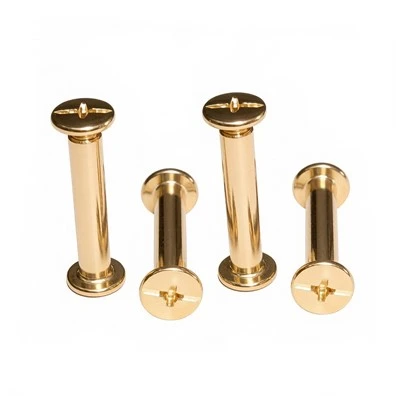

As a seasoned nameplate rivets supplier in the industry, I often receive inquiries about the compatibility of our products with different materials. One question that has come up frequently lately is whether nameplate rivets can be used on carbon fiber nameplates. This blog aims to delve deep into this topic, providing you with comprehensive insights and guidance.
Understanding Carbon Fiber Nameplates
Carbon fiber, renowned for its high strength-to-weight ratio, exceptional stiffness, and resistance to corrosion, has carved a niche for itself in a wide range of industries. From aerospace to automotive, sports equipment to consumer electronics, carbon fiber's unique properties make it a popular choice for manufacturers seeking to balance performance and aesthetics.
Carbon fiber nameplates inherit these remarkable characteristics from the base material. They offer a sleek, modern look that adds a touch of sophistication to any product. Their lightweight nature makes them ideal for applications where weight is a critical factor, such as in aviation and high - performance racing vehicles. However, the same properties that make carbon fiber so attractive also present challenges when it comes to fastening.
The Mechanics of Riveting on Carbon Fiber
Riveting is a time - tested method of fastening two or more materials together. When a rivet is installed, it deforms to create a permanent joint. The process involves inserting the rivet through pre - drilled holes in the materials and then using a rivet gun or other tools to upset the end of the rivet, expanding it and clamping the materials in between.


One of the main concerns when using rivets on carbon fiber is the potential for damage to the delicate carbon fiber structure. Carbon fiber composites consist of carbon fibers embedded in a polymer matrix. During the riveting process, if there is excessive force, the fibers may be crushed or delaminated from the matrix. Delamination occurs when the layers of carbon fiber separate, which can significantly reduce the strength of the nameplate and compromise its integrity.
Advantages of Using Nameplate Rivets on Carbon Fiber Nameplates
Despite the potential challenges, there are several compelling reasons to consider using nameplate rivets on carbon fiber nameplates.
Aesthetic Appeal
Rivets add a distinct and industrial look to the nameplate. They can enhance the overall visual appeal of the carbon fiber nameplate, giving it a rugged yet sophisticated appearance. For example, in high - end motorcycles or luxury cars, the use of well - placed rivets on carbon fiber nameplates can contribute to a premium aesthetic.
Strong and Durable Joints
When installed correctly, nameplate rivets can create a strong and durable joint on carbon fiber. This is especially important in applications where the nameplate is subject to vibrations, impacts, or other mechanical stresses. A robust riveted joint ensures that the nameplate remains securely attached to the product over its lifespan.
Ease of Installation
Compared to some other fastening methods, such as adhesive bonding, riveting is relatively straightforward. With the right tools and a bit of training, installation can be carried out quickly and efficiently. This can reduce production time and costs, making riveting an attractive option for manufacturers.
Types of Nameplate Rivets Suitable for Carbon Fiber
As a nameplate rivets supplier, we offer a diverse range of products that can be used on carbon fiber nameplates. Here are some of our popular options:
- Twill - Patterned Nameplate Rivet: These rivets feature a unique twill pattern that not only provides a secure fastening but also adds an interesting visual element to the nameplate. The twill pattern can complement the carbon fiber's natural weave, creating a harmonious and stylish look.
- Tag Rivet: Ideal for carbon fiber nameplates, tag rivets are known for their ease of installation. They are small and lightweight, which is beneficial when working with carbon fiber, as it minimizes the additional weight added to the nameplate.
- Aluminum Nameplate Rivets: Aluminum is a lightweight and corrosion - resistant material. Our aluminum nameplate rivets are suitable for carbon fiber as they won't add excessive weight and can resist the elements, ensuring a long - lasting joint.
- Red Copper Nameplate Rivets: Red copper rivets offer good electrical conductivity in addition to their aesthetic appeal. They have a warm, rich color that can contrast nicely with the dark carbon fiber, making them a popular choice for high - end consumer electronics.
- Brass Nameplate Rivet: Brass rivets are known for their strength and durability. They can provide a reliable fastening solution for carbon fiber nameplates in various applications, from industrial machinery to marine equipment.
Best Practices for Using Nameplate Rivets on Carbon Fiber Nameplates
To ensure a successful installation and a reliable joint, here are some best practices to follow:
Hole Drilling
Use a sharp drill bit specifically designed for carbon fiber. A blunt bit can cause delamination and other damage to the material. Drill the holes at the correct diameter to ensure a proper fit for the rivets. Also, ensure that the holes are drilled perpendicular to the surface of the carbon fiber to prevent uneven stress distribution during riveting.
Rivet Selection
Choose the right type and size of rivet based on the application and the thickness of the carbon fiber nameplate. For thin carbon fiber laminates, smaller and lighter - weight rivets may be more appropriate to avoid over - stressing the material.
Installation Process
Apply a consistent and controlled amount of force during the riveting process. Using a pneumatic or hydraulic rivet gun can provide more precise control compared to a manual gun. It's also important to support the backside of the carbon fiber adequately to prevent damage during the upsetting of the rivet.
Conclusion
In conclusion, nameplate rivets can indeed be used on carbon fiber nameplates, but it requires careful consideration and proper installation techniques. By understanding the unique properties of carbon fiber and following best practices, you can achieve a strong, durable, and aesthetically pleasing joint.
As a nameplate rivets supplier, we are dedicated to providing high - quality products and the support you need for your projects. Whether you are working on a small - scale prototype or a large - scale production run, we have the expertise and the right rivets for your carbon fiber nameplate applications.
If you are interested in learning more about our nameplate rivets or would like to discuss your specific requirements, we encourage you to contact us for procurement and further discussions. We look forward to partnering with you to create the best solutions for your products.
References
- "Composite Materials Handbook", ASM International
- "Carbon Fiber Reinforced Polymers: Design and Manufacturing", CRC Press
- Industry research reports on fastening methods for carbon fiber materials