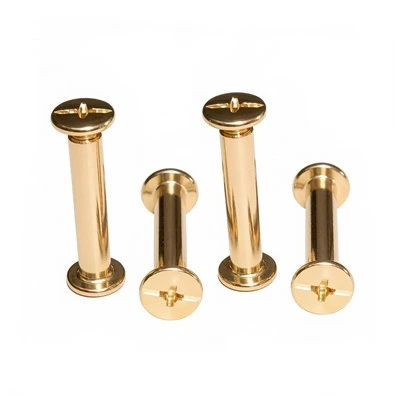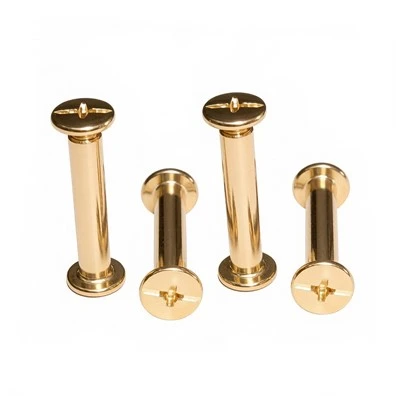

Hey there! I'm a supplier of male - female rivets, and today I wanna chat about how to clean these little guys to keep their performance top - notch. Male - female rivets are super useful in a bunch of industries, from automotive to electronics, and they come in all sorts of types, like the Two Piece Rivet, Double Cap Rivet, Threaded Mating Rivets, Snap Rivet, and Assembled Rivet.
Why Cleaning is a Big Deal
First off, you might be wondering why cleaning male - female rivets is so important. Well, over time, these rivets can get all gunked up with dirt, grease, dust, and other grime. When that happens, it can really mess with their performance. For example, if there's dirt between the male and female parts of a rivet, it can prevent a proper fit, which might lead to a loose connection. And in some applications, like in machinery, a loose connection can be a huge safety hazard or cause the whole thing to malfunction. Also, if there's corrosive stuff on the rivets, it can eat away at the metal and weaken the rivet over time. So, cleaning them regularly is like giving your rivets a little health check - up.
Pre - Clean Inspection
Before you start cleaning, it's a good idea to take a quick look at the rivets. Check for any visible damage like cracks, dents, or signs of excessive wear. If you find any seriously damaged rivets, it might be better to replace them rather than trying to clean them. You'll also want to note what kind of dirt or contaminants are on the rivets. Is it just normal dust, or is there some kind of industrial oil or chemical residue? This will help you decide on the best cleaning method.


Different Cleaning Methods
1. Dry Cleaning
If the rivets are just a little dusty, dry cleaning can be a great first step. You can use a soft - bristled brush, like an old toothbrush, to gently brush off the dirt. Make sure to get into all the crevices and around the edges of the rivet. This method is simple and doesn't require any special chemicals, so it's a good option if you're dealing with a small number of rivets or if you're worried about using chemicals on delicate rivets.
2. Solvent Cleaning
For dirtier rivets with grease or oil on them, solvent cleaning can be very effective. You can use a mild solvent like isopropyl alcohol. Just soak a clean cloth in the solvent and then gently wipe the rivets. Make sure to work in a well - ventilated area, as solvents can give off fumes. If the rivets are really dirty, you can even soak them in a small container filled with the solvent for a few minutes. But be careful not to leave them in the solvent for too long, as it might damage the surface of the rivet.
3. Ultrasonic Cleaning
If you have a larger quantity of rivets or if they're really stubbornly dirty, ultrasonic cleaning is a great option. Ultrasonic cleaners work by creating high - frequency sound waves that create tiny bubbles in a cleaning solution. These bubbles then implode, creating a scrubbing action that can get rid of dirt and grime from even the tiniest spaces in the rivets. You'll need to use a suitable cleaning solution, like a mild detergent mixed with water, in the ultrasonic cleaner. Make sure to follow the manufacturer's instructions when using an ultrasonic cleaner.
4. Pressure Washing
For heavy - duty cleaning, especially if the rivets are used in industrial settings and are covered in thick layers of dirt or debris, pressure washing can be used. But you have to be really careful with this method. Use a low - pressure setting at first, as too much pressure can damage the rivets. Also, make sure to use clean water, and if possible, add a mild detergent to help break down the dirt.
Post - Cleaning Care
Once you've cleaned the rivets, it's important to dry them properly. You can use a clean, dry cloth to wipe them down, or you can let them air - dry. If you're in a hurry, you can use compressed air to blow the excess water off. After drying, it's a good idea to apply a light coating of lubricant, especially if the rivets are going to be used in a moving part. This will help reduce friction and prevent future corrosion.
Storing Cleaned Rivets
Proper storage is also important to keep the cleaned rivets in good condition. Store them in a clean, dry place. You can use plastic bags or small containers to keep them organized. If you're storing a large number of rivets, you might want to label the containers with the type of rivet and the date of cleaning. This will make it easier to find the right rivets when you need them and will also help you keep track of how long they've been stored.
Checking Performance After Cleaning
After cleaning and storing the rivets, it's a good idea to do a quick performance check. You can test the fit of the male and female parts by assembling them. Make sure they fit together smoothly and securely. If you're using the rivets in a specific application, do a test run if possible to make sure everything is working as it should.
And there you have it! That's how you can clean male - female rivets to maintain their performance. Whether you're using Two Piece Rivets for a simple DIY project or Threaded Mating Rivets in a high - tech industrial setting, proper cleaning can make a big difference.
If you're in the market for high - quality male - female rivets, don't hesitate to reach out. We're here to help you find the right rivets for your needs and can offer advice on maintenance and cleaning. Let's start a conversation and see how we can work together!
References
- General knowledge on fastener maintenance and cleaning
- Industry best practices for rivet care