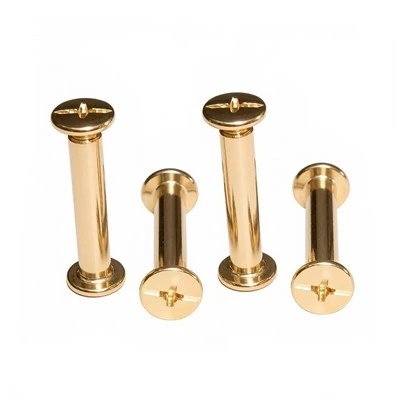

Hey there! As a supplier of Copper Half Hollow Rivets, I often get asked if these little guys can be used in electronic devices. Well, let's dive right into it and find out.
First off, what are copper half - hollow rivets anyway? They're rivets made of copper, with a half - hollow design. The copper part is crucial because copper is an excellent conductor of electricity. It's right up there with silver, but way more affordable. And that half - hollow design? It makes them easier to install compared to solid rivets, as you don't need as much force to deform them during the riveting process.
Now, let's talk about why they could be a great fit for electronic devices. In the world of electronics, conductivity is king. You want your components to be able to transfer electrical signals quickly and efficiently. And as I mentioned earlier, copper is a top - notch conductor. When you're dealing with things like circuit boards, where every nanosecond counts in signal transmission, using a material with high conductivity can make a big difference.
Another advantage is copper's corrosion resistance. Electronic devices are often used in a variety of environments, and they need to be able to withstand some wear and tear. Copper forms a thin oxide layer on its surface when exposed to air, which helps protect it from further corrosion. This means that the rivets won't degrade easily over time, ensuring the long - term integrity of the electronic device.
But it's not all sunshine and rainbows. There are some potential drawbacks to using copper half - hollow rivets in electronic devices. One issue is copper's relatively soft nature. In high - vibration environments, the rivets could potentially deform or loosen. This could lead to a loss of electrical contact and cause the device to malfunction. So, if you're dealing with an electronic device that's going to be in a constantly jiggling environment, like a handheld gaming console that's being carried around or a piece of equipment on a moving vehicle, you might need to think twice.


Cost can also be a factor. While copper is more affordable than silver, it's still more expensive than some other materials like aluminum. If you're mass - producing electronic devices, the cost of using copper rivets can add up quickly. You'll need to weigh the benefits of copper's conductivity and corrosion resistance against the added expense.
Now, let's compare copper half - hollow rivets with some other types of rivets commonly used in electronics. You might be familiar with Stainless Steel Hollow Rivets. Stainless steel is known for its strength and corrosion resistance. However, its electrical conductivity is much lower compared to copper. So, if conductivity is your top priority, stainless steel might not be the best choice.
Copper Hollow Rivets are also an option. The main difference between copper half - hollow and full - hollow rivets is the amount of material. Full - hollow rivets are even easier to deform during installation, but they might not be as strong as half - hollow ones. It really depends on the specific requirements of your electronic device.
Stainless Iron Semi Hollow Rivet combines some of the properties of stainless steel and iron. They're generally strong and have decent corrosion resistance. But again, their conductivity doesn't match that of copper.
Aluminum Semi Hollow Rivets are lightweight and relatively cheap. Aluminum is a good conductor, but not as good as copper. If you're looking to reduce weight and cost in your electronic device, aluminum could be a viable option.
So, in conclusion, copper half - hollow rivets can definitely be used in electronic devices, but it depends on the specific application. If you're working on a high - end audio system where signal purity and long - term reliability are crucial, copper half - hollow rivets could be a great choice. On the other hand, if you're making a budget - friendly consumer device that doesn't require the highest level of conductivity, you might want to consider other options.
If you're interested in learning more about Copper Half Hollow Rivets or are thinking of using them in your electronic devices, I'd love to have a chat with you. We can discuss your specific needs and see if our rivets are the right fit for your project. Don't hesitate to reach out and let's start a conversation!
References:
- "Materials Science for Engineers" - A comprehensive textbook on materials and their properties.
- Industry reports on the use of rivets in electronic manufacturing.