
When it comes to fastening materials together, two of the most commonly used options are assembled rivets and nails. As a supplier of Assembled Rivet, I've had the opportunity to see firsthand how these two fastening methods compare in terms of holding power. In this blog post, I'll explore the differences between assembled rivets and nails, and discuss the factors that affect their holding power.
Understanding Assembled Rivets and Nails
Before we delve into the comparison, let's first understand what assembled rivets and nails are.
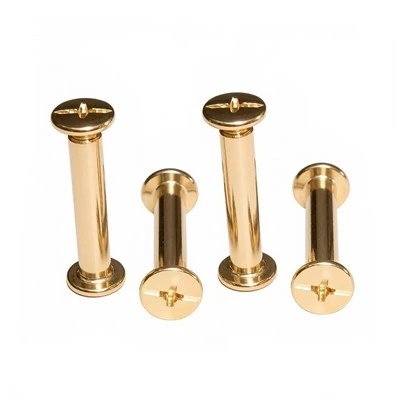
Assembled Rivets: Assembled rivets are two - part fasteners that consist of a male and a female component. They are designed to be joined together to create a strong, permanent connection between two or more materials. There are several types of assembled rivets, such as Tight Fit Paired Rivets, Rapid Rivet, Snap Rivet, and Threaded Mating Rivets. These rivets are often used in applications where a high - strength, reliable connection is required, such as in automotive, aerospace, and industrial manufacturing.
Nails: Nails are single - piece fasteners that are typically driven into materials using a hammer or a nail gun. They come in various sizes and shapes, and are commonly used in construction, woodworking, and general DIY projects. Nails are known for their ease of use and relatively low cost.
Factors Affecting Holding Power
The holding power of both assembled rivets and nails is influenced by several factors:
Material Compatibility
- Assembled Rivets: Assembled rivets can be made from a wide range of materials, including steel, aluminum, and plastic. This allows for a high degree of material compatibility. For example, in an application where two aluminum components need to be joined, aluminum - made assembled rivets can be used to ensure a strong and corrosion - resistant connection. The material of the rivet can be carefully selected to match the properties of the materials being joined, which enhances the overall holding power.
- Nails: Nails are also available in different materials, such as steel, stainless steel, and galvanized steel. However, the choice of nail material is often more limited compared to assembled rivets. In some cases, the material of the nail may not be fully compatible with the materials being joined, which can lead to issues such as rusting or weakening of the connection over time.
Installation Method
- Assembled Rivets: The installation of assembled rivets typically involves a precise process of aligning the male and female components and then joining them together. This process ensures that the rivet is properly seated and provides a consistent and strong connection. For example, in the case of snap rivets, a simple pressing action is used to secure the two parts, creating a tight fit. The installation process of assembled rivets can be automated in industrial settings, which further enhances the quality and consistency of the connections.
- Nails: Nails are installed by driving them into the material. The force applied during installation can vary depending on the skill of the installer and the type of tool used. If the nail is not driven straight or with enough force, it may not provide a strong enough connection. Additionally, over - driving a nail can cause the material to split, which also reduces the holding power.
Shear and Tensile Strength
- Assembled Rivets: Assembled rivets are designed to provide high shear and tensile strength. The two - part design allows for a more distributed load transfer, which means that they can withstand greater forces without failing. For example, in an automotive application where parts are subjected to high levels of vibration and stress, assembled rivets can provide a reliable connection that can withstand both shear and tensile forces.
- Nails: Nails generally have lower shear and tensile strength compared to assembled rivets. Their single - piece design means that the load is concentrated at the point where the nail is driven into the material. This makes them more prone to bending or pulling out under high stress conditions.
Comparative Analysis of Holding Power
In Static Load Applications
In static load applications, where the fastened materials are not subjected to significant movement or vibration, both assembled rivets and nails can provide adequate holding power. However, assembled rivets often have an edge.
For example, in a wooden furniture construction project, if you are joining two wooden pieces together, a nail can hold the pieces in place. But over time, the wood may expand and contract due to changes in humidity and temperature. A nail may not be able to adapt to these changes as well as an assembled rivet. Assembled rivets, with their ability to create a more flexible yet strong connection, can better withstand these environmental changes and maintain their holding power.
In Dynamic Load Applications
In dynamic load applications, such as in mechanical equipment or in structures that are subjected to vibration, the difference in holding power between assembled rivets and nails becomes more pronounced.
Trucks and other vehicles are constantly subjected to vibrations and shocks during operation. In this context, nails are more likely to loosen or pull out over time, which can lead to safety issues. Assembled rivets, on the other hand, are better able to withstand these dynamic forces. Their two - part design and the ability to distribute the load effectively make them a more reliable choice for applications where the connection needs to remain secure under constant movement.
Advantages of Assembled Rivets for Holding Power
- Consistent Performance: As mentioned earlier, the installation process of assembled rivets is more precise and can be automated. This results in a consistent level of holding power across all the connections. In contrast, the quality of nail - based connections can vary widely depending on the installer's skill.
- Corrosion Resistance: Since assembled rivets can be made from a variety of corrosion - resistant materials, they are better suited for applications where the connection may be exposed to moisture or harsh chemicals. This helps to maintain the holding power of the rivet over time, as corrosion can weaken the connection in both nails and other fasteners.
- Design Flexibility: Assembled rivets come in a wide range of shapes and sizes, which allows for greater design flexibility. This means that they can be used in a variety of applications, from small - scale electronic devices to large - scale industrial structures, and still provide excellent holding power.
Conclusion and Call to Action
In conclusion, when it comes to holding power, assembled rivets generally outperform nails, especially in applications where high strength, reliability, and durability are required. Their ability to adapt to different materials, installation methods, and load conditions makes them a superior choice for many fastening applications.


If you're in need of high - quality assembled rivets for your project, I invite you to explore our extensive product range. We offer a variety of Assembled Rivets, including Tight Fit Paired Rivets, Rapid Rivet, Snap Rivet, and Threaded Mating Rivets. Our team is ready to assist you in selecting the right rivets for your specific needs. Contact us today to start a procurement discussion and find the best fastening solutions for your project.
References
- "Fasteners and Fixings Handbook" by Karl-Heinz Zappe
- "Mechanical Design of Machine Elements and Machines: A Failure Prevention Perspective" by Jack A. Collins